Conflict is rising. Join the movement to create a peaceful future. Sign the Pledge

Conflict is rising. Join the movement to create a peaceful future. Sign the Pledge
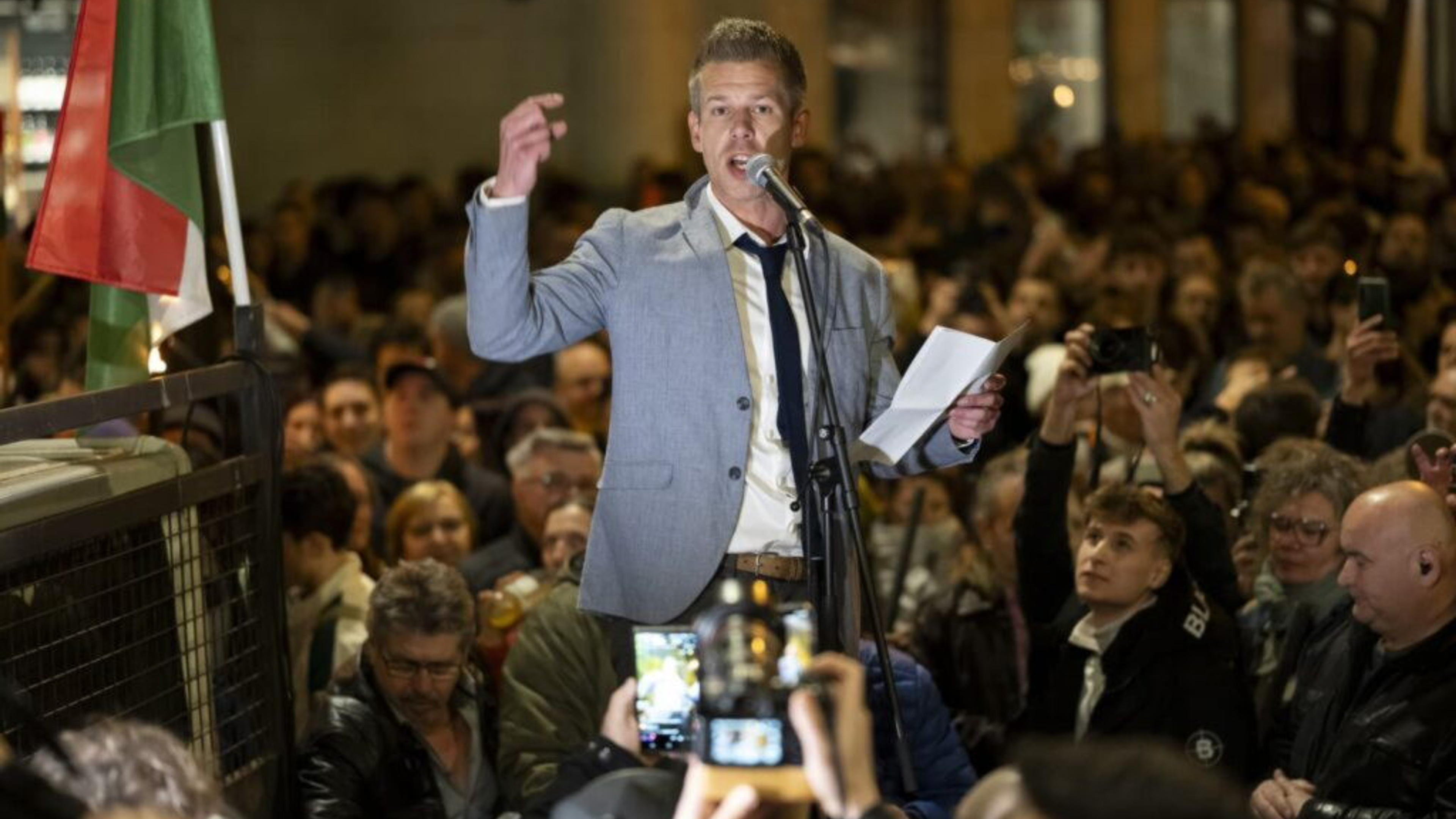

On April 12, 2026, Hungary underwent a significant political transition. Following 16 consecutive years of governance by Prime Minister Viktor Orbán and the Fidesz party, the Hungarian electorate voted to shift parliamentary control to the center-right Respect and Freedom (Tisza) Party, led by Péter Magyar.
Driven by a record voter turnout of nearly 80%, the Tisza Party secured approximately 69% of the vote. Verified electoral data projects Tisza holding 138 of the 199 parliamentary seats, granting the incoming government a two-thirds supermajority. Fidesz suffered uniform losses in both urban centers and rural strongholds, retaining 55 seats, while the far-right Mi Hazánk party secured 6 seats. Prime Minister Orbán conceded the election on Sunday night, stating the results were "painful for us, but clear."
As Magyar prepares to assume office in mid-May under President Tamás Sulyok, political analysts and international observers are closely evaluating the Tisza Party's proposed legislative agenda.
Péter Magyar, a 45-year-old lawyer and former diplomat, previously operated within the Fidesz government, serving in the Ministry of Foreign Affairs and heading state-owned enterprises. He entered the public opposition space in early 2024 following a political controversy involving a presidential pardon that led to the resignations of then-President Katalin Novák and his ex-wife, former Justice Minister Judit Varga.
Magyar subsequently took leadership of the Tisza Party, campaigning on a platform centered on economic stabilization, systemic anti-corruption measures, and the rebuilding of independent state institutions. His campaign successfully attracted both opposition voters and former Fidesz supporters by adopting a center-right stance that prioritized domestic structural reforms.
A central focus of the incoming administration is the restructuring of Hungary’s domestic institutions, particularly the media and the judiciary, which the European Union previously cited as areas of democratic decline under the Fidesz government.
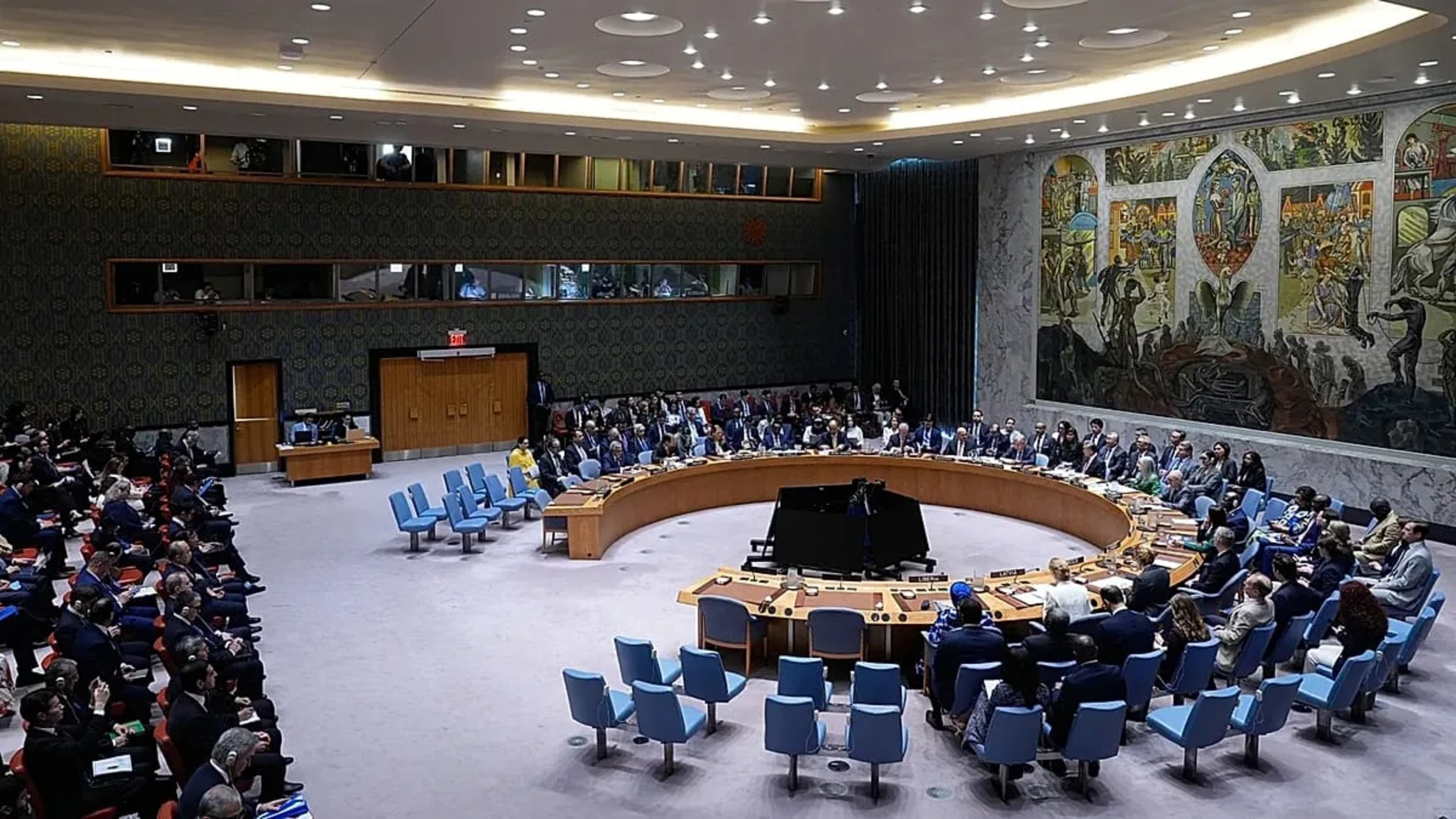
The September 2026 UN sessions addressed critical security challenges in Haiti and Sudan, alongside global debates on AI governance, climate action, pandemic preparedness, and Security Council veto reform. These discussions highlight the urgent need for structural reform, diplomatic solutions, and lasting global peace.
Pledge4Peace.org
October 9, 2026
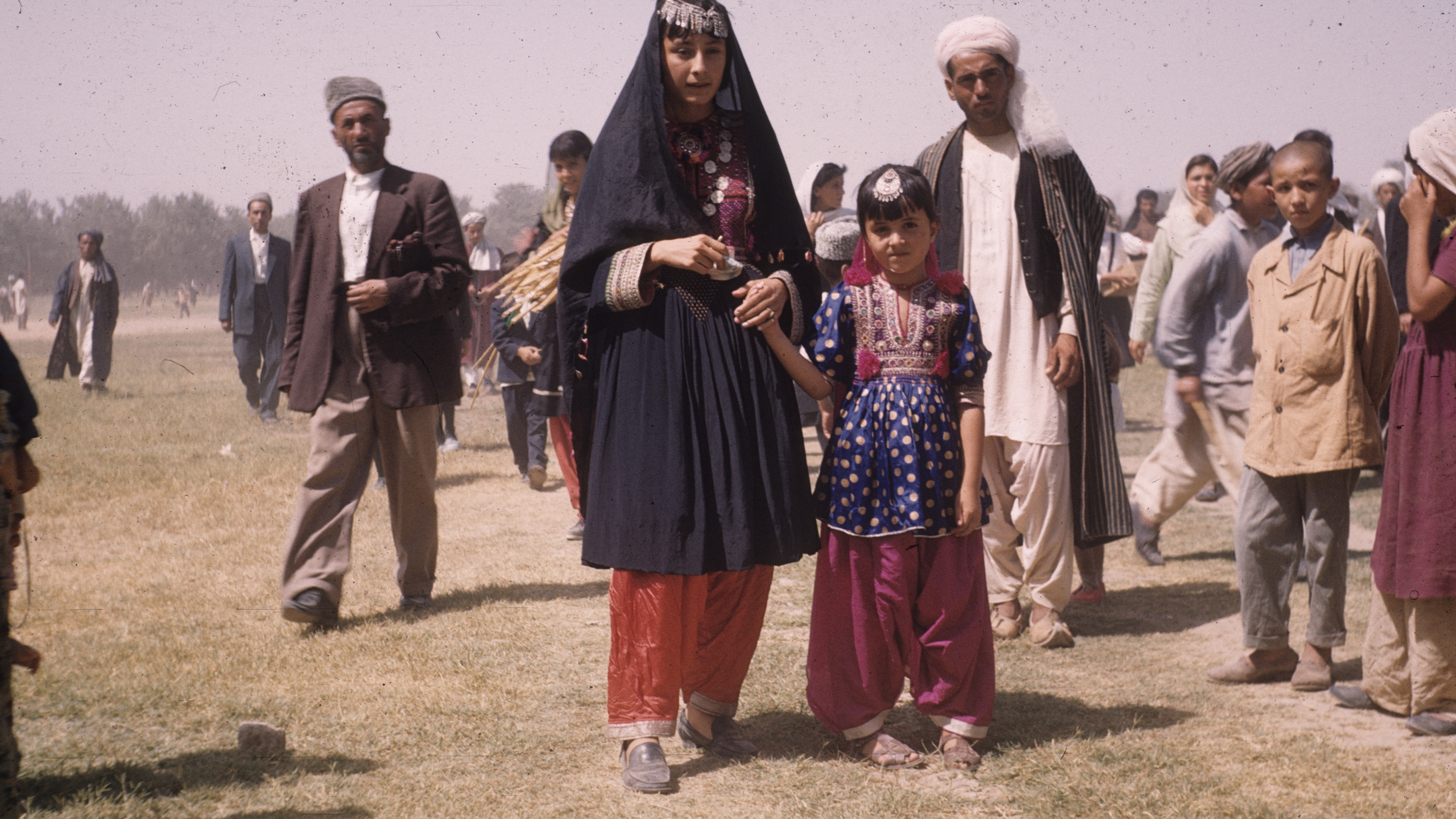
In remote Afghan villages, community-led Family Health Houses are offering life-saving care to mothers and children. Despite severe restrictions and a deteriorating healthcare system, Afghan women, acting as community midwives, are utilizing digital tools and local clinics to ensure safe childbirth. This article highlights the essential work of the UNFPA, AADA, and the Maternity Foundation in empowering these frontline workers and outlines how the international community can support their mission.
A primary driver of voter turnout was economic concern, marked by periods of high inflation and disputes with the European Union that resulted in the freezing of approximately €18 billion in cohesion and recovery funds.
The Tisza government’s immediate economic priority is unlocking these EU funds. To achieve this, Magyar has signaled a willingness to comply with Brussels' rule-of-law requirements. His economic platform also includes simplifying the national tax system, increasing funding for healthcare and education, and initiating the long-term, structural preparations necessary for Hungary to eventually adopt the euro.
Under Viktor Orbán, Hungary frequently utilized veto power to block collective EU action, particularly regarding financial aid to Ukraine, and maintained close ties with Moscow. While Magyar has promised a more cooperative relationship with the European Union, his foreign policy remains fundamentally conservative and focused on national sovereignty.
The results of Hungary’s 2026 election highlight the functional mechanics of a democratic system, demonstrating that high voter turnout and active civic engagement can facilitate peaceful, structural transitions of power. The incoming government now faces the responsibility of executing its mandate while ensuring the protection of democratic institutions.
Elections serve as a reminder that governance requires continuous oversight from the electorate. Staying informed on institutional integrity, electoral transparency, and human rights is a global responsibility.
Democratic stability relies on the active participation of informed citizens. We encourage you to educate yourself on the state of your local institutions, engage in respectful civic dialogue, and demand accountability from your representatives.
Support global efforts for transparent governance and vote on non-violent diplomatic solutions today at: pledge4peace.org/campaigns.
Pledge4Peace.org
September 23, 2026