Conflict is rising. Join the movement to create a peaceful future. Sign the Pledge

Conflict is rising. Join the movement to create a peaceful future. Sign the Pledge
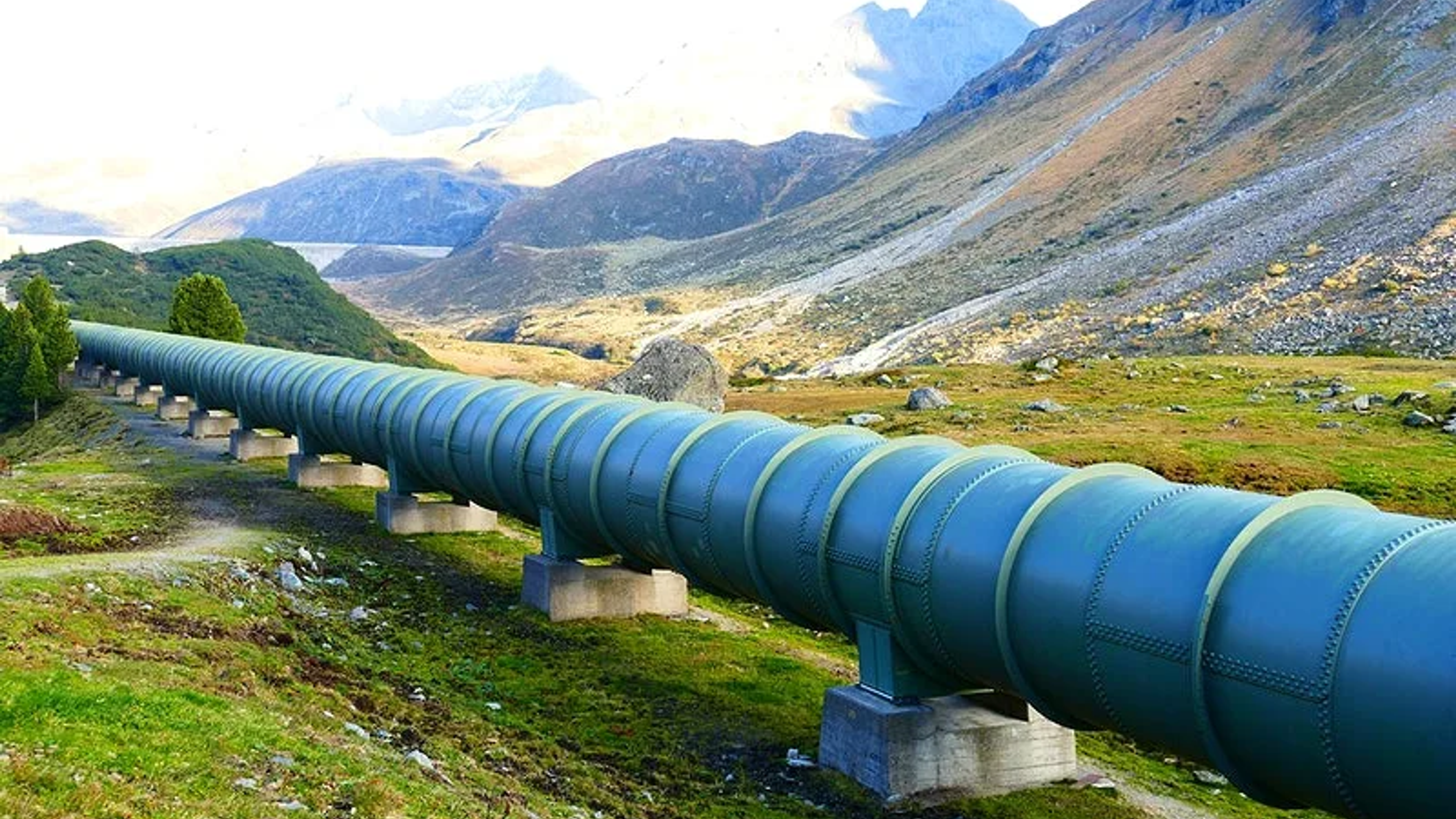

Global oil security is under pressure.
Rising geopolitical tensions involving Iran are affecting energy supply routes, pricing, and stability. These disruptions are not limited to one region. They are influencing economies worldwide, with significant consequences for African countries that depend heavily on fuel imports.
This is not just about energy markets.
It is about economic stability, access to resources, and the daily cost of living for millions of people.
Oil remains one of the most critical resources in the global economy.
Iran plays a key role in global energy dynamics due to its position near the Strait of Hormuz, a strategic chokepoint through which roughly 20 percent of the world’s oil supply passes, according to the U.S. Energy Information Administration.
When tensions rise in this region, markets react quickly.
Oil prices increase due to supply risk. Shipping routes become less predictable. Insurance and transport costs rise.
These changes ripple across global markets.
African countries are particularly vulnerable to these shifts.
Many African economies rely on imported refined fuel. According to the International Energy Agency, several African nations import over 70 percent of their refined petroleum products. This makes them highly sensitive to global price fluctuations.
When oil prices rise, governments face higher import costs. This often leads to increased fuel prices, inflation, and pressure on public budgets.
The impact is immediate and widespread.
Households face higher transportation and food costs. Businesses deal with increased operational expenses. Governments struggle to maintain fuel subsidies and public services.
In countries already managing economic challenges, these pressures can increase instability.
According to the African Development Bank, rising fuel costs have been a key driver of inflation in several African economies in recent years.
Energy insecurity also affects essential services.
Higher fuel costs can limit electricity generation, disrupt supply chains, and reduce access to basic goods.
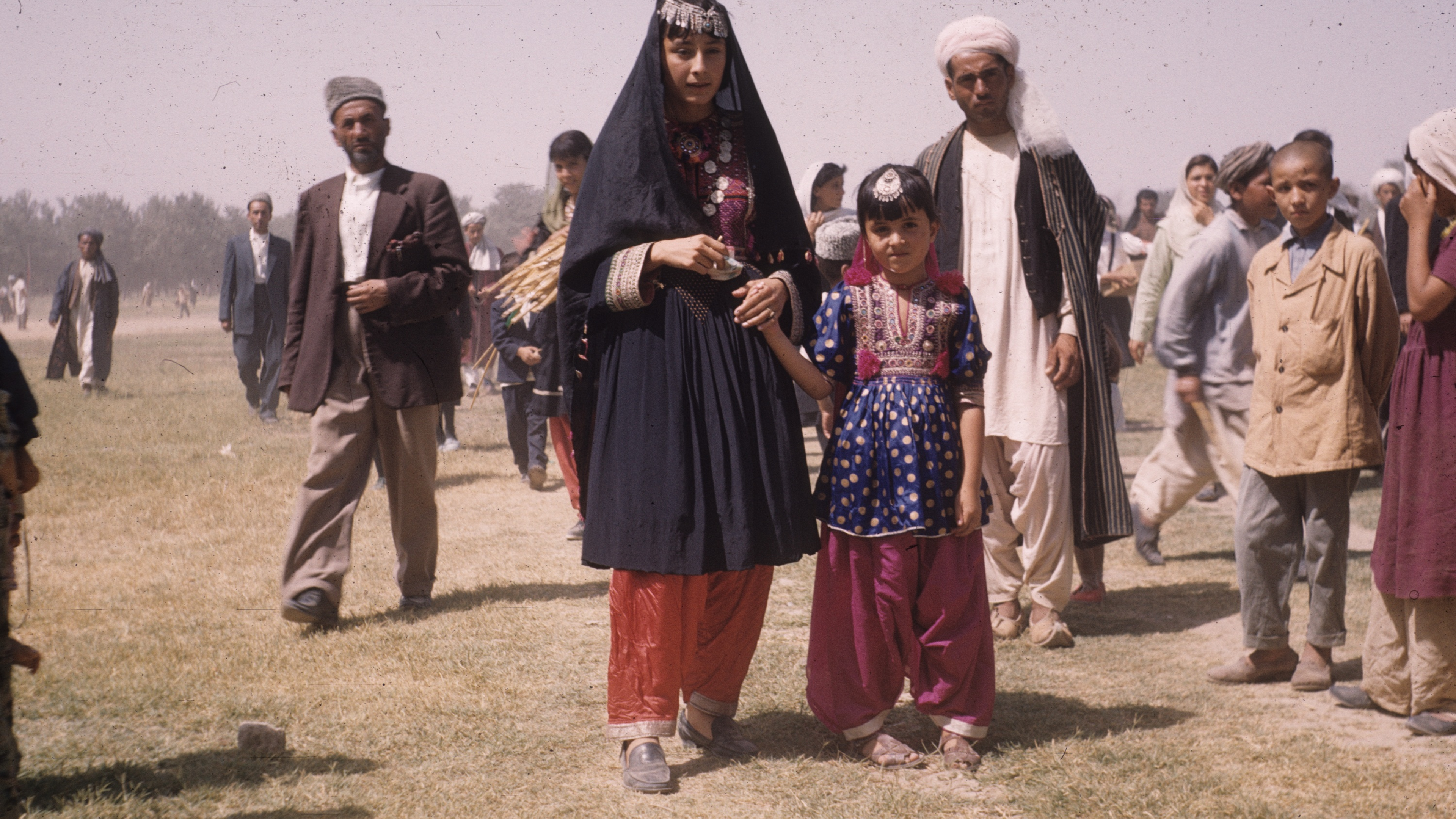
In remote Afghan villages, community-led Family Health Houses are offering life-saving care to mothers and children. Despite severe restrictions and a deteriorating healthcare system, Afghan women, acting as community midwives, are utilizing digital tools and local clinics to ensure safe childbirth. This article highlights the essential work of the UNFPA, AADA, and the Maternity Foundation in empowering these frontline workers and outlines how the international community can support their mission.
Pledge4Peace.org
September 23, 2026
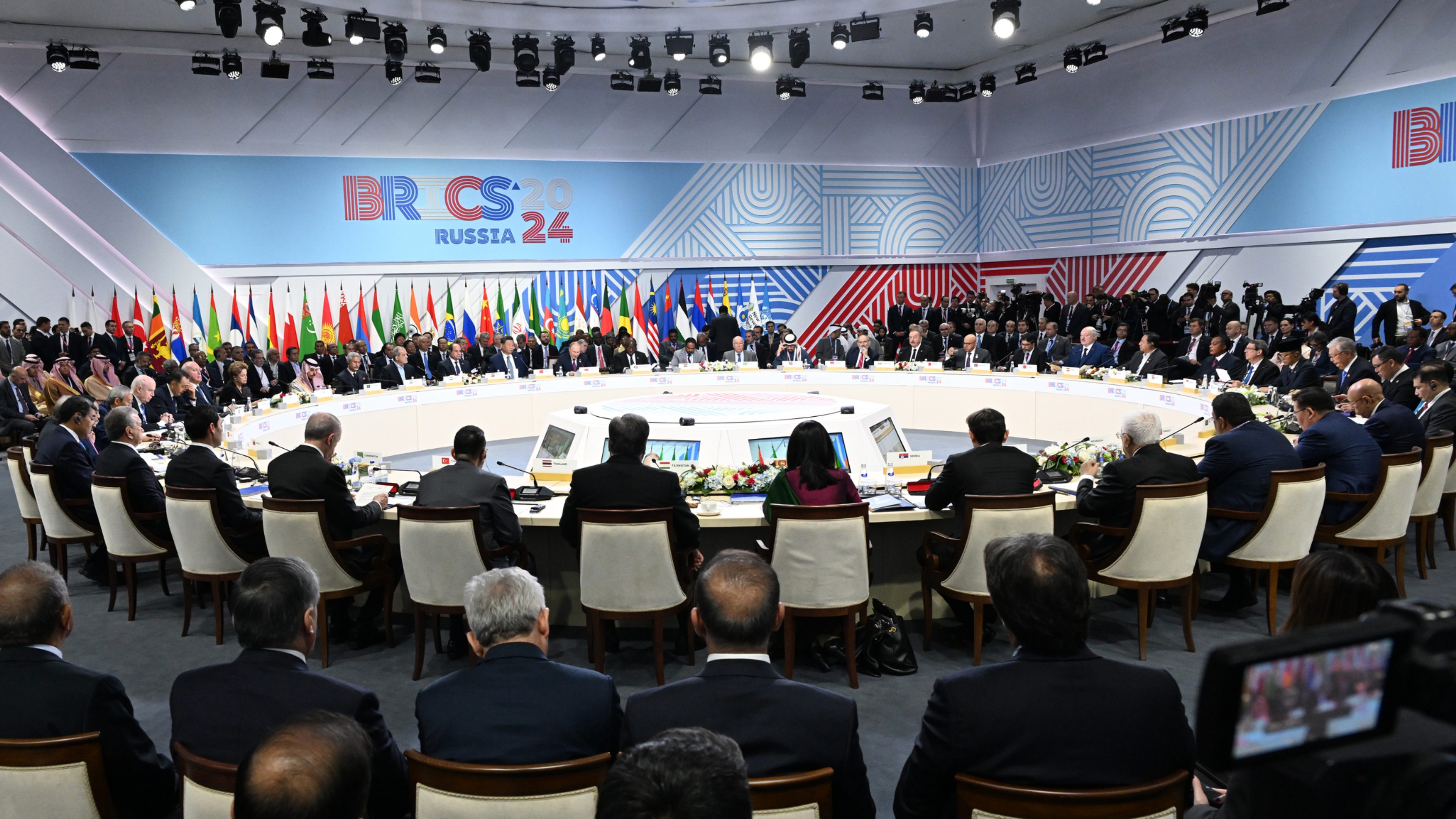
As the 18th BRICS Summit begins in New Delhi, leaders from the expanded 10-nation bloc face the monumental task of addressing global instability, particularly the escalating US-Iran conflict. Amid high-stakes diplomatic talks, Pledge4Peace urges citizens to demand peaceful resolutions.
This is not only an economic issue. It is a humanitarian and development issue.
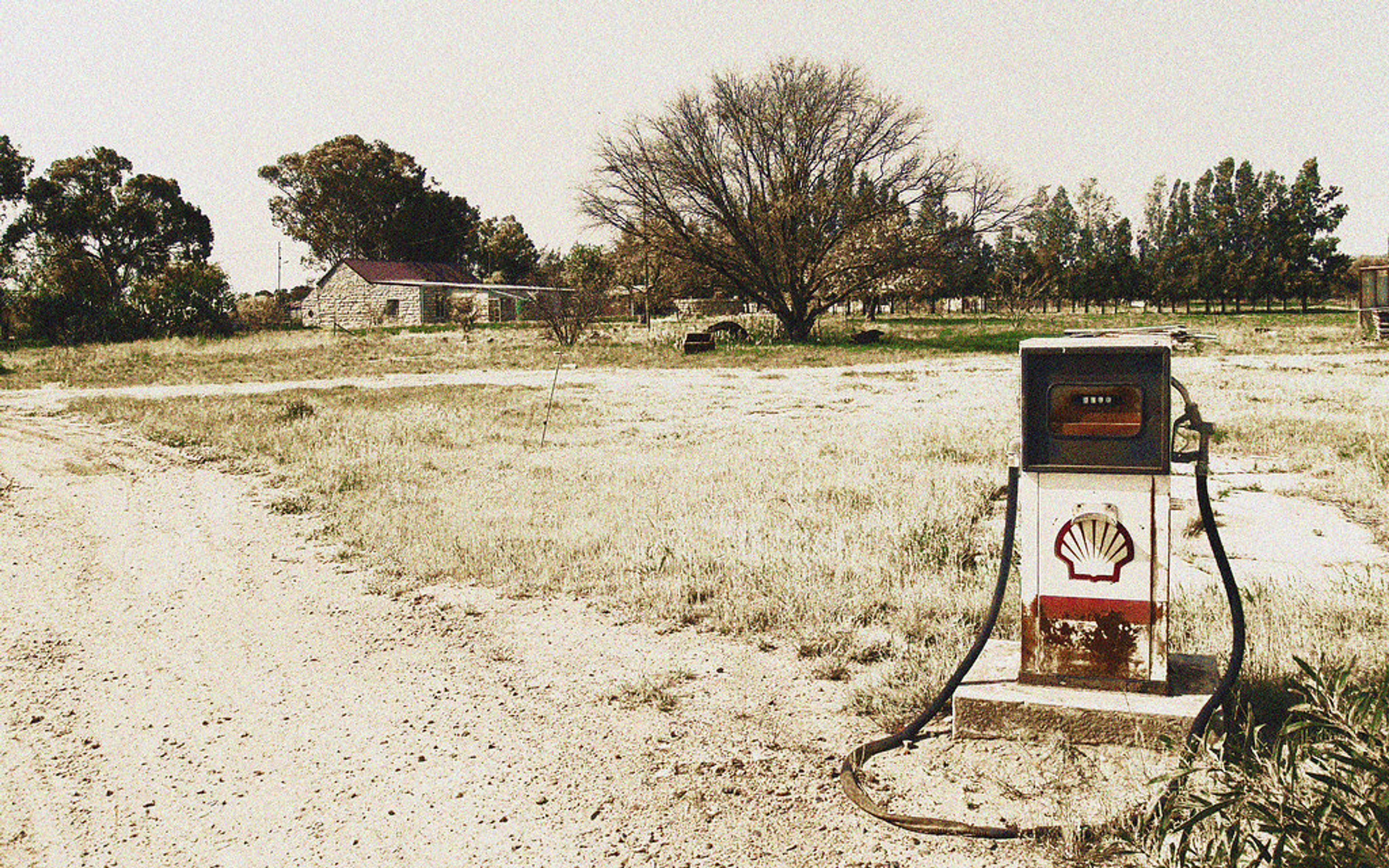
But Africa is not the only one affected...
Oil market disruptions affect every region.
Higher prices influence global inflation, trade balances, and economic growth. According to the World Bank, energy price shocks can reduce global GDP growth and increase poverty rates, especially in developing countries.
At the same time, geopolitical tensions increase the risk of broader conflict.
Energy routes such as the Strait of Hormuz are critical to global supply. Any disruption can trigger wider economic consequences.
To address these risks, key actors must provide clear strategies and commitments.
Governments of major energy producers and consumers must clarify how they are working to reduce tensions and secure supply routes.
International organizations should outline how they are supporting energy stability and protecting vulnerable economies.
Financial institutions need to explain what measures are in place to support countries facing rising import costs.
Regional organizations across Africa must address how they are strengthening energy resilience and reducing dependency on external supply shocks.
Private sector energy companies should clarify how they are managing supply risks while maintaining fair pricing and access.
There are credible, existing solutions that can reduce these risks.
In the short term, diplomatic efforts to reduce geopolitical tensions are essential. Stabilizing key regions helps secure global supply routes and reduce price volatility.
Energy diversification is another critical step. Expanding renewable energy sources such as solar and wind can reduce dependence on imported fuel. Africa has significant renewable potential, with the International Renewable Energy Agency estimating that the continent could meet a large share of its energy needs through renewables.
Improving regional energy infrastructure can also strengthen resilience. Investments in local refining capacity and cross-border energy cooperation can reduce reliance on external markets.
Strategic fuel reserves can help governments manage short-term supply disruptions and stabilize domestic markets.
Transparency in pricing and supply chains can improve trust and reduce market speculation.
Several organizations and initiatives are already working to address these challenges.
The International Energy Agency supports energy security planning and policy coordination.
The World Bank and African Development Bank are financing energy infrastructure and renewable projects across Africa.
The International Renewable Energy Agency is supporting countries in transitioning to sustainable energy systems.
Regional partnerships are working to improve energy integration and cooperation.
These efforts provide a foundation for long-term stability.
We have reached out to relevant stakeholders to understand how they are addressing the risks linked to oil security and geopolitical tensions.
Future updates will track policy changes, investments, and measurable progress in energy stability and cooperation.
This is an evolving situation.
Staying informed is the first step.
Understanding how global energy systems are changing helps individuals, businesses, and communities make better decisions.
Subscribe to our newsletter to stay updated on global developments and accountability efforts.
Share this information to increase awareness and encourage informed discussions.
Global energy security is closely tied to peace and cooperation.
Reducing risk requires coordination, transparency, and long-term planning.
Stability is not automatic. It is built through informed action and collective responsibility.
Pledge4Peace.org
September 18, 2026