
Australia’s recent anti-immigration demonstrations did not arise overnight. For decades, Australian leaders have scapegoated immigration in political campaigns – from John Howard’s “we will decide who comes” mantra, to Tony Abbott’s campaign pledge to “stop the boats”. This history of fear-based immigration debate helped prime the ground for protests like the nationwide “March for Australia” rallies of 2025. In those events, marchers chanted for an end to “mass migration” and blamed newcomers for problems in housing, traffic and jobs. The centre-left government swiftly condemned the rallies as hate-filled and extremist, noting that neo-Nazi figures were involved (reuters.comaljazeera.com). Understanding this backdrop – and the real facts about migration – is critical as Australia seeks unity and constructive dialogue in response to the unrest.
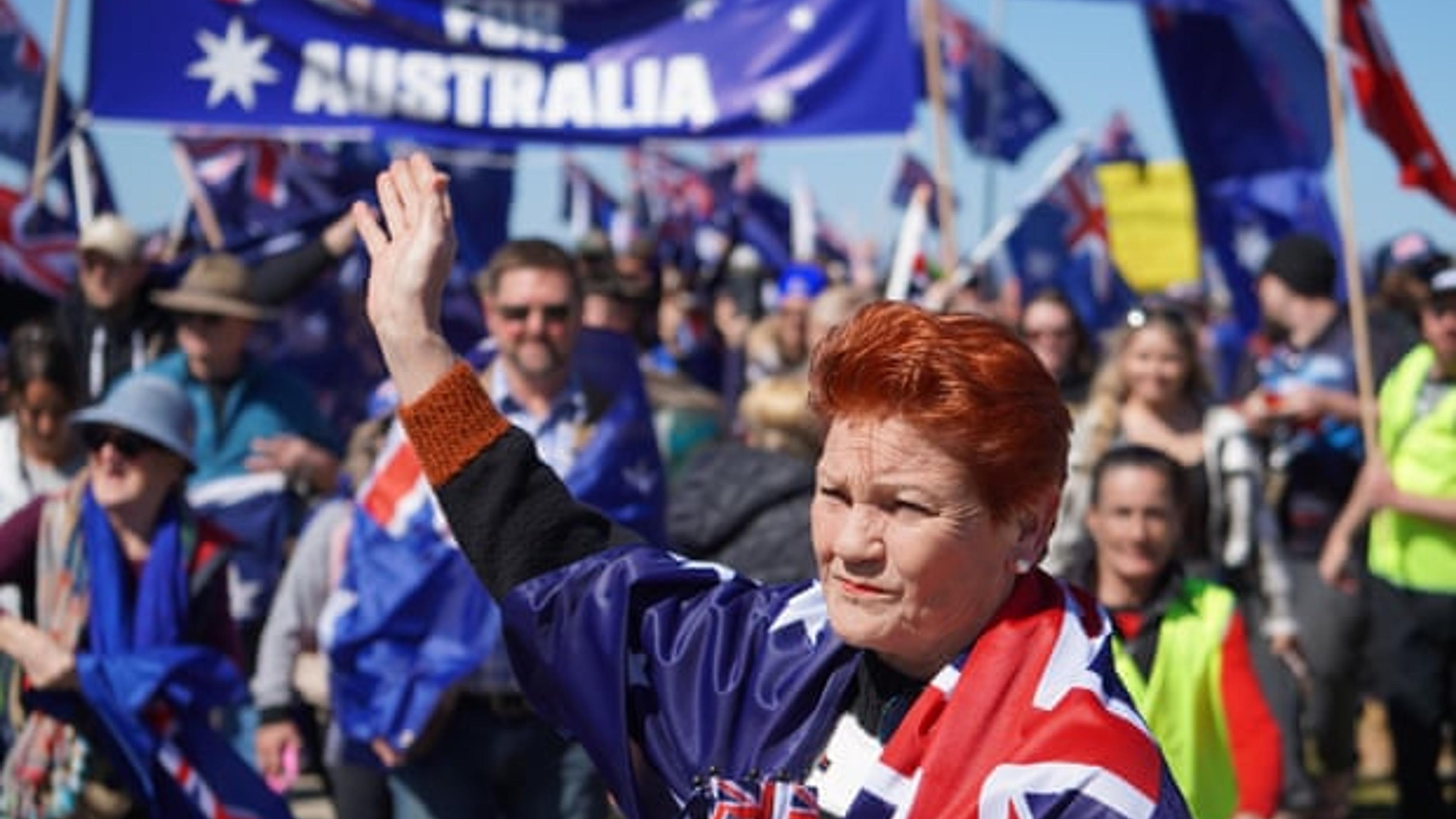
On 30–31 August 2025, thousands of Australians participated in coordinated anti-immigration rallies in cities including Sydney, Melbourne, Brisbane and Canberra. Branded as the “March for Australia,” these demonstrations were organized by loose coalitions of right-wing activists. Protest signs demanded an end to “mass migration,” pointing to concerns about housing, infrastructure, and jobs. Local police estimated crowds of 5,000–8,000 in Sydney alone. In Melbourne the protest briefly turned violent: riot squads deployed pepper spray to separate marchers from counter-demonstrators.
In summary, thousands marched to demand sharp cuts in immigration, and authorities noted extremist involvement.
The “March for Australia” rallies drew strong counter-demonstrations. Refugee advocates, multicultural groups and everyday Australians rallied against the message of the protests. For instance, the Refugee Action Coalition held a counter-protest in Sydney, with hundreds of people carrying Australian flags and denouncing the marchers’ “far-right agenda” (). One coalition spokesperson said the counter-event showed the “depth of disgust and anger” felt toward the anti-immigrant rhetoric. Many reminders also went up that Australia is a nation of immigrants – roughly half of Australians are themselves born overseas or have immigrant parents – and that immigrants contribute to society in countless ways.
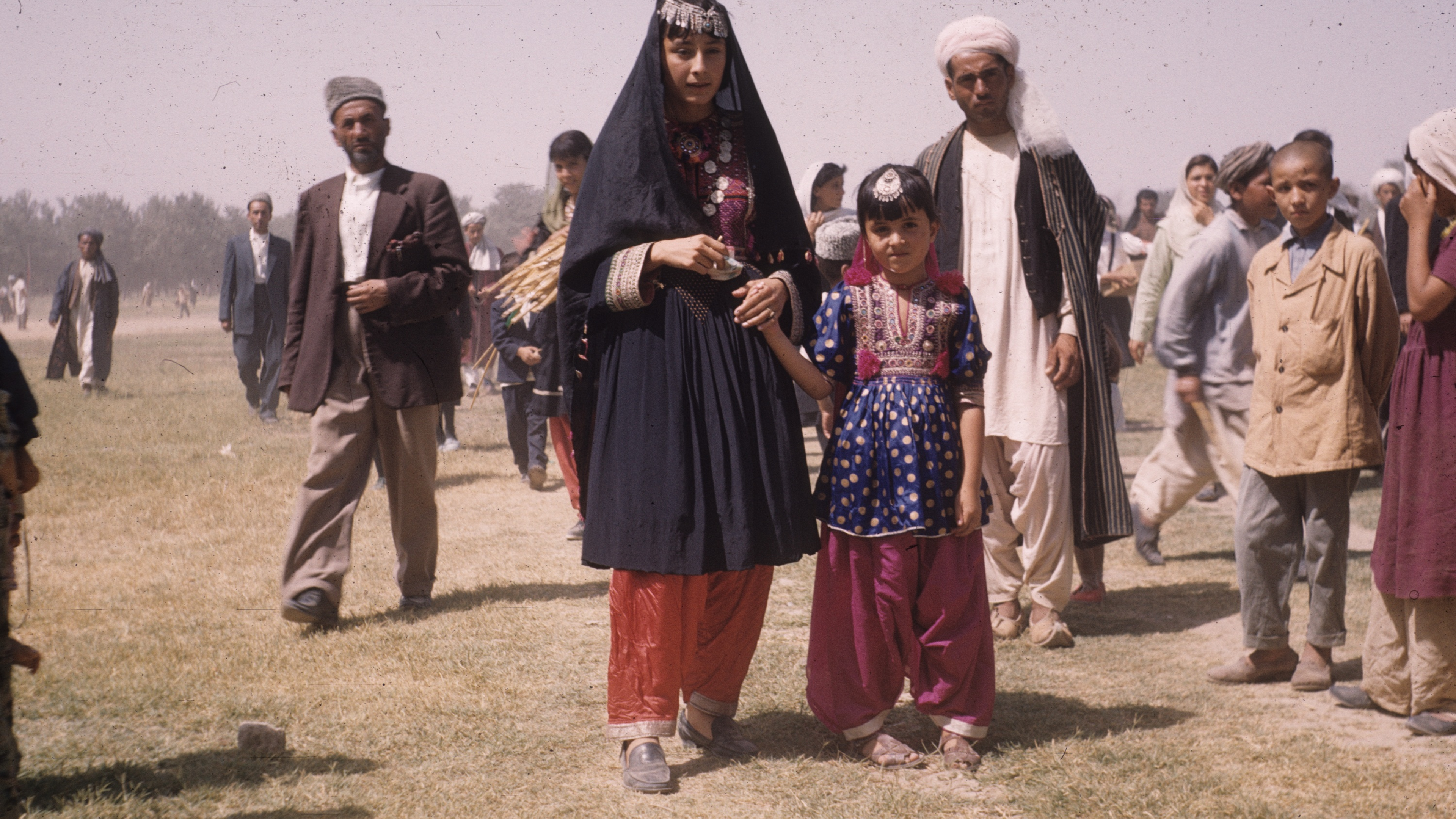
Dans les villages reculés d’Afghanistan, les Maisons de santé familiale dirigées par les communautés offrent des soins vitaux aux mères et aux enfants. Malgré de sévères restrictions et la dégradation du système de santé, les femmes afghanes, qui travaillent comme sages-femmes communautaires, utilisent des outils numériques et des cliniques locales pour garantir des accouchements sûrs. Cet article met en lumière le travail essentiel de l’UNFPA, de l’AADA et de la Maternity Foundation pour soutenir et autonomiser ces travailleuses de première ligne, et explique comment la communauté internationale peut contribuer à leur mission.
Pledge4Peace.org
September 23, 2026
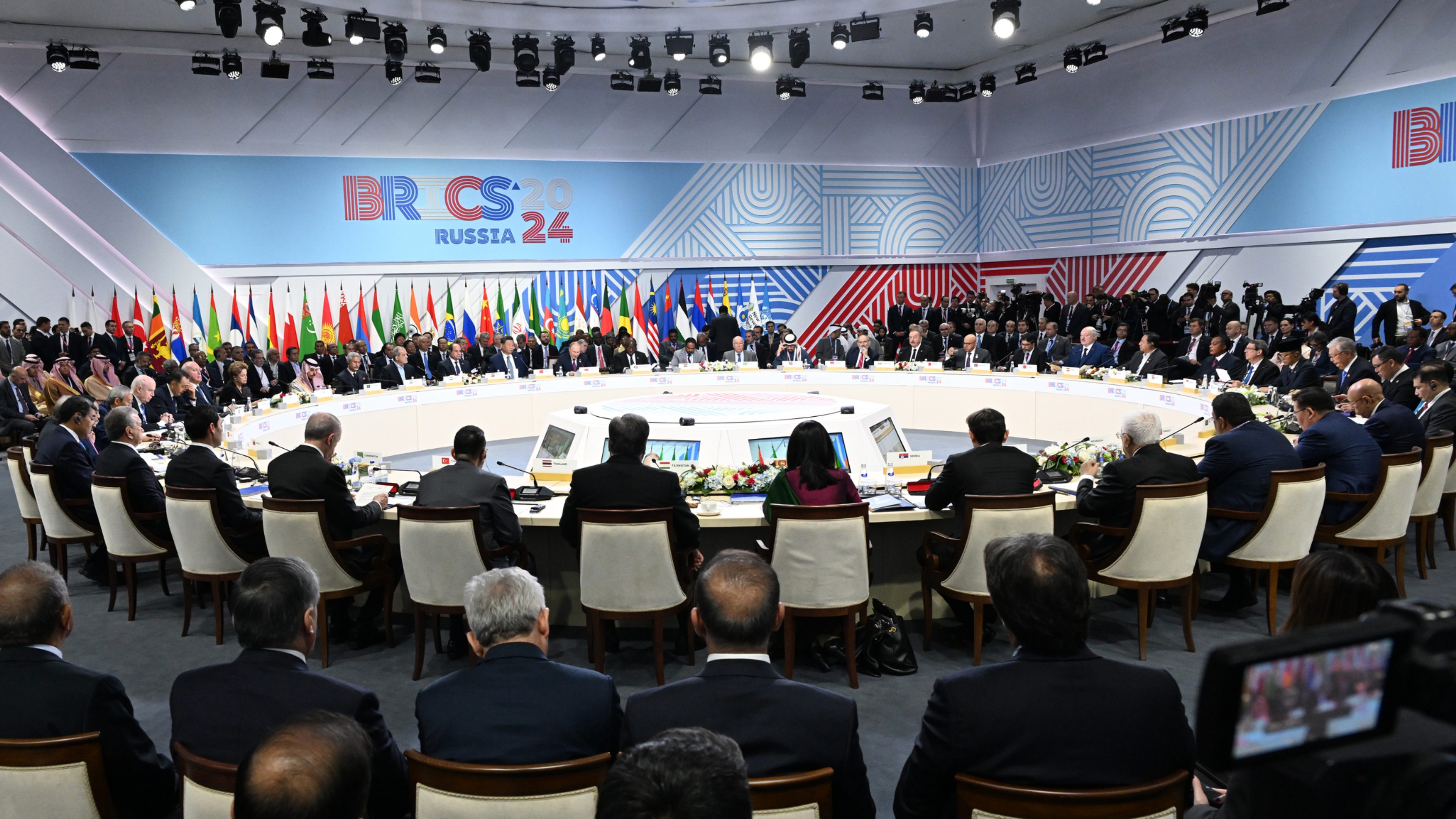
Alors que le 18ᵉ Sommet des BRICS s’ouvre à New Delhi, les dirigeants du bloc élargi de 10 pays sont confrontés à la tâche considérable de répondre à l’instabilité mondiale, notamment au conflit croissant entre les États-Unis et l’Iran. Dans le contexte de négociations diplomatiques à forts enjeux, Pledge4Peace appelle les citoyens à exiger des solutions pacifiques.
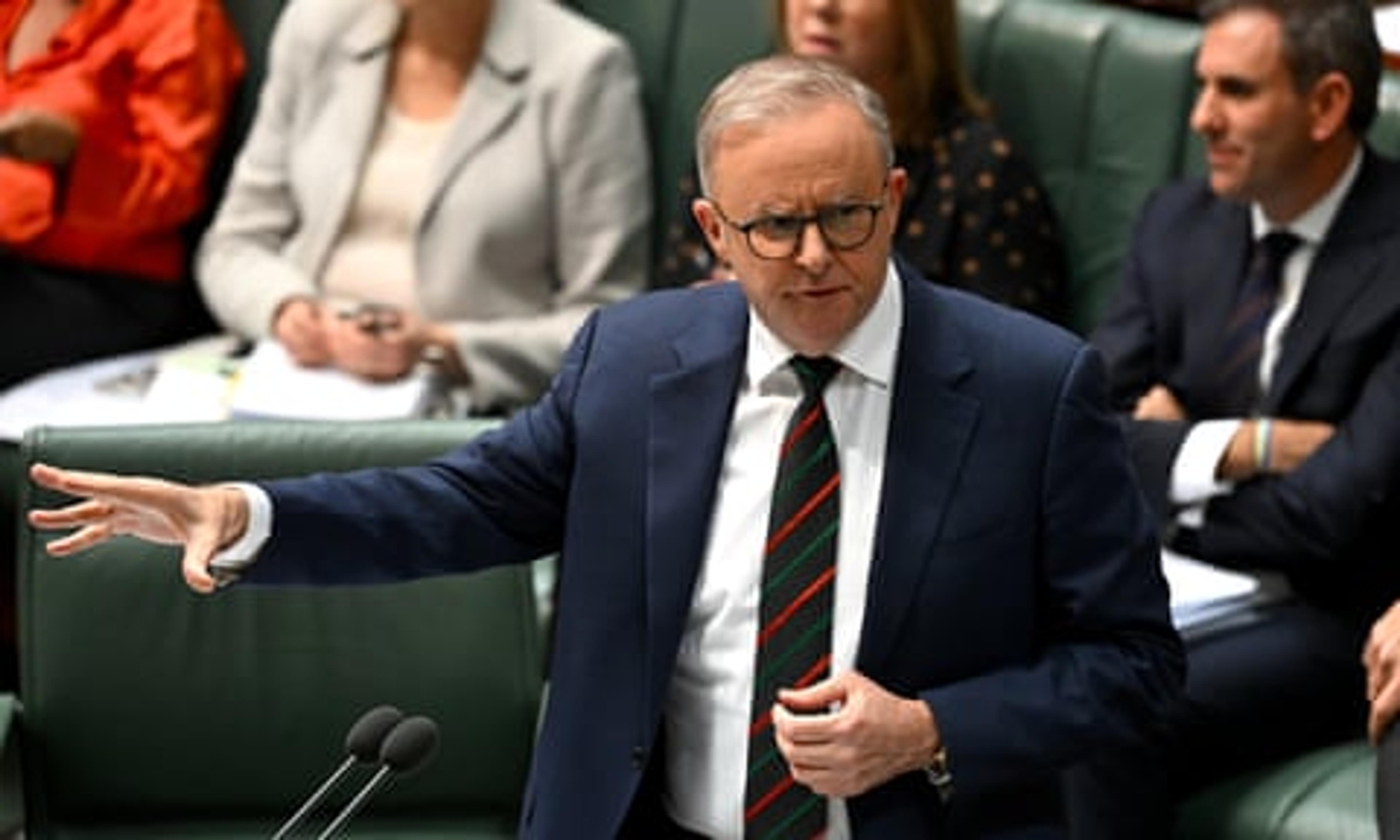
Photograph: Lukas Coch/AAP
Politicians on all sides spoke out. Prime Minister Anthony Albanese bluntly said that rallies “organised and promoted” by extremists were “not about increasing social harmony”. Greens Senator Mehreen Faruqi condemned the gatherings as “acts of racist fear-mongering” and demanded that government and media stop enabling such rhetoric. Federal Opposition leader Sussan Ley (who had run on a tough immigration platform) struck a more conciliatory tone: she reminded supporters that “strong borders keep us safe,” but emphasized that Australia must still be “generous and compassionate” to refugees (unsw.edu.au). Home Affairs Minister Tony Burke also stressed unity, saying “there is no place in our country for people who seek to divide and undermine our social cohesion”.
At the same time, commentators noted the genuine fears that had been voiced on the streets: housing is expensive, traffic is bad, hospitals are stressed. However, experts quickly pointed out that many such concerns stemmed from misinformation. Notably, Australian Bureau of Statistics data shows net overseas migration is declining. The 2024 net migration figure (341,000) was 37% lower than the 2022–23 peak (theguardian.com.) Migration analysts explained that a spike after COVID (when borders reopened) is now falling back, so we are not at historic highs. Leading migrants’ advocates urged the public to check the facts: for instance, former Immigration official Anne Aly warned that false claims about migration figures “impede evidence-based decision-making” and only feed the far-right agenda.
The rallies had concrete social consequences, especially for Australia’s diverse communities. In the days following, many immigrants and ethnic minorities reported increased fear and abuse. Indian Australians in particular felt targeted: organizers’ materials had singled out “Indians” as a group increasing in Australia, and many marched with placards about “the (Hindu) invasion” during the protests. In response, a number of Indian-Australian doctors donned sarees and attended events together in a show of solidarity and defiance. As one doctor, Nisha Khot, explained: the rallies “were happening in our city … we were all feeling targeted in a sense because the rallies had been about Indians coming here” (abc.net.au). She and colleagues stressed that overseas-trained doctors (many from India) are vital to Australia’s health system.
More broadly, community leaders called for healing and dialogue. Amit Sarwal of The Australia Today remarked that the anti-immigration campaign was driven by a “white agenda,” and urged politicians to apologize and move forward. Indian-Australian organizers likewise said a sincere apology from leaders could help “put the matter behind” the nation and allow everyone to “focus on building a stronger, more cohesive future” (abc.net.au). These voices underscored that many Australians of migrant background – doctors, teachers, small-business owners and others – feel hurt and anxious after the rallies.
On the political front, the government moved to calm the waters. Prime Minister Albanese announced that the annual permanent migration intake would be held steady at 185,000 for 2025–26, despite pressure from protestors to cut the numbers. Albanese defended migration’s benefits and noted that the recent protests were “not the Australian way”. Meanwhile, Parliament prepared to pass a bill to resume processing of asylum seekers offshore in Nauru – a move driven partly by a 2023 court ruling. Critics noted this was the status quo on deterrence, and opposed detaining people indefinitely for political convenience.

Picture: Tony Gough
Human-rights experts and officials emphasized that focusing on migrants as scapegoats is dangerous. Australia’s Race Discrimination Commissioner Giridharan Sivaraman warned that housing stress and job insecurity are real issues, affecting even many from migrant backgrounds, and that what’s needed are “genuine solutions to these challenges – not dangerous, exploitative, anti-migrant rhetoric” (unsw.edu.au). In short, while politicians of all parties vowed to address people’s economic anxieties, they also reiterated that migrants themselves are not the root cause.
Interestingly, the protests have prompted some leaders and analysts to reflect on the political climate. Yale professor Jason Stanley – who studies fascism – pointed out that Australia’s recent election of a centre-left government showed rejection of extremist rhetoric, noting the opposition leader (who ran on slashing immigration) lost even his own seat. But Stanley cautioned that democratic processes can be subverted when “fascism conceals its anti-democratic nature by representing itself as the general will of the people” (theguardian.com). In that spirit, many have called for vigilance: just because some marchers say they’re “good, concerned citizens,” we must ask whether the grievances they articulate are based on facts and compassion or on prejudice.
To resolve this crisis peacefully, experts recommend open dialogue and policy solutions, not blame. Leaders like Sussan Ley and Home Affairs Minister Burke have emphasized empathy and facts – for example, reminding everyone that “when we talk about immigration… we should never forget that we’re actually talking about real people, real families”. Research shows immigrants contribute enormously to Australia’s economy and do not drive crises like the housing shortage. To address housing and infrastructure pressures, actionable policies (more homes, transit expansion, social services funding) should be prioritized.
Key steps to foster unity:
By taking these steps, Australians can address legitimate concerns (housing, jobs, services) without dividing communities. Many commentators are urging exactly this: to treat the situation as a shared challenge rather than a fight. Commissioner Sivaraman’s call sums it up: we need to fix economic and social problems for everyone, instead of exploiting division.
Australia’s anti-immigration rallies have laid bare deep fears and fissures in our society. But the overwhelming response from leaders and ordinary people alike has been to double down on unity and understanding. This moment is a reminder that conflicts – whether about migration, religion, or global politics – can only be resolved through dialogue, not hate. As Pledge4Peace peace advocates say, we can “vote to support peace and stand against hate and violence” (pledge4peace.org).
We invite all readers to join this movement toward peace. Visit Pledge4Peace.org/Campaigns and cast your vote for diplomatic, people-centered solutions to today’s crises – from migration and multiculturalism to wars abroad. When we channel our energy into constructive, humane approaches, we build a stronger Australia and a more peaceful world. Let’s make our voices heard in favor of understanding and cooperation, not division and fear.
Hero image: One Nation leader Pauline Hanson attends an anti-mass immigration rally in Canberra on Sunday. Photograph: Dominic Giannini/AAP
Hero image: One Nation leader Pauline Hanson attends an anti-mass immigration rally in Canberra on Sunday. Photograph: Dominic Giannini/AAP
Pledge4Peace.org
September 18, 2026