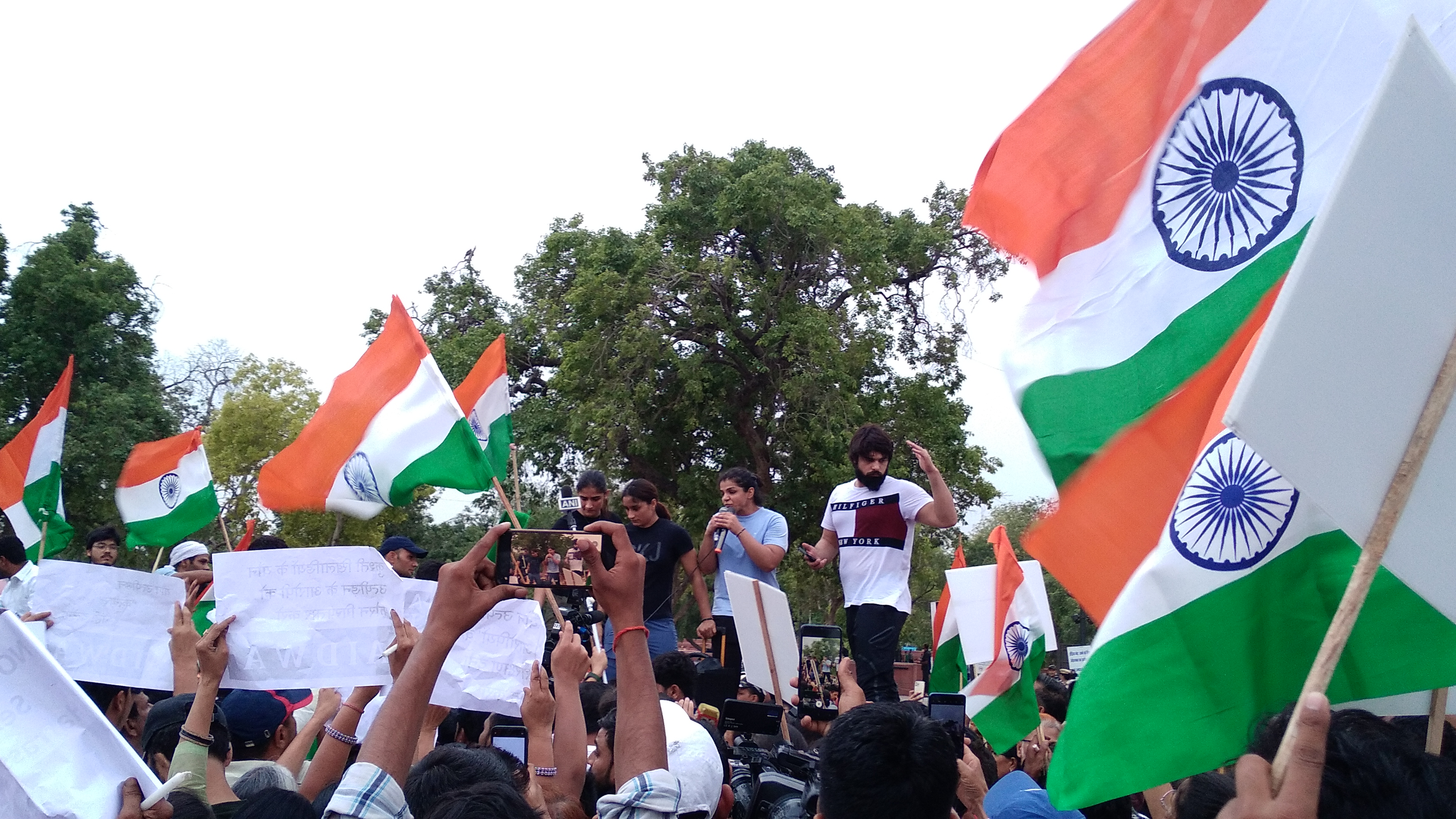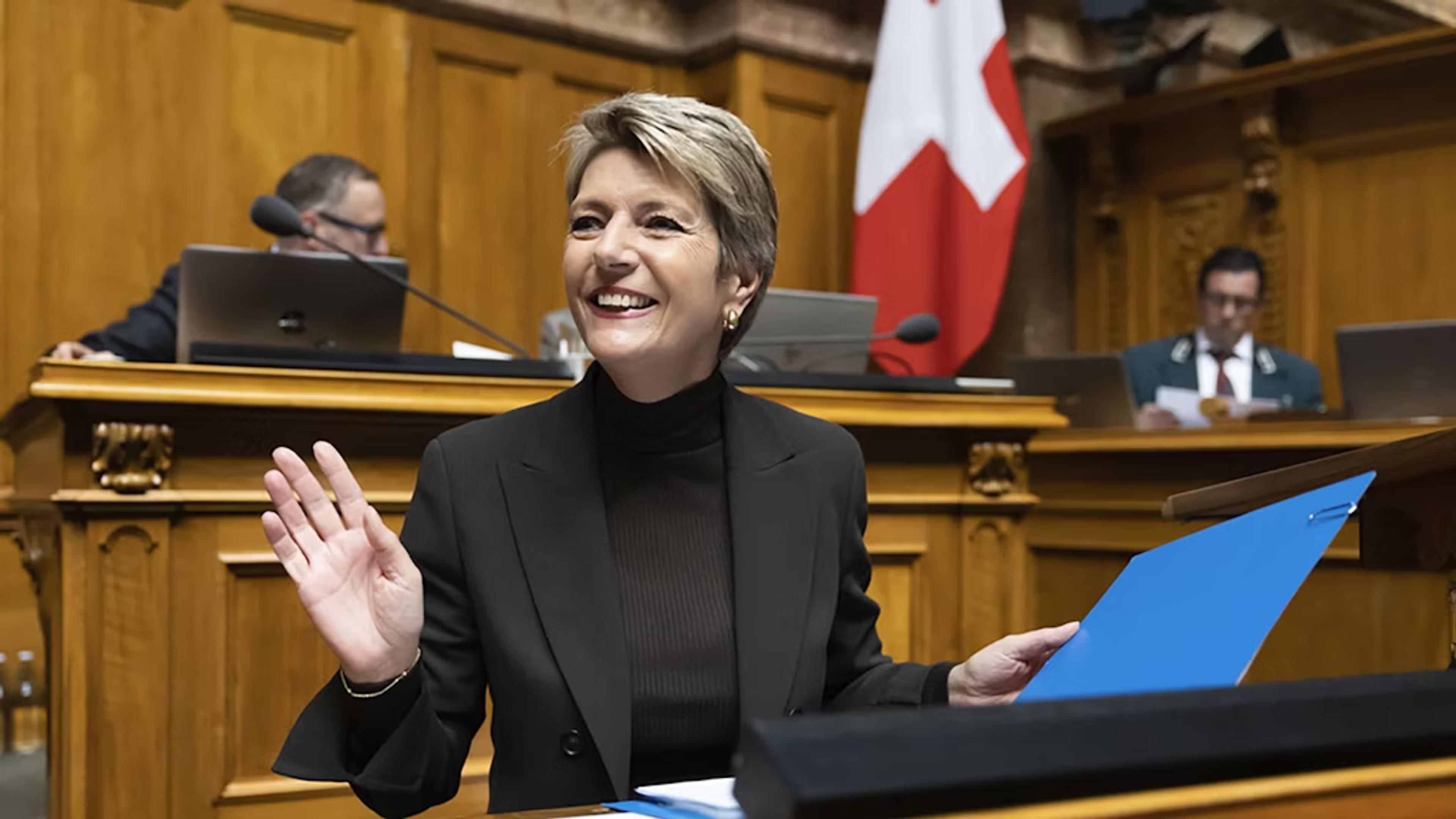

Politics has long been painted as a man’s game—parliaments filled with deep voices, suits, and handshakes behind closed doors. Yet, the truth is shifting. Women are no longer content with being footnotes in political history; they are writing the chapters themselves. From village councils to global summits, women are demanding not just a seat at the table but the power to shape the menu.
According to UN Women, women hold about 26% of parliamentary seats worldwide. It’s a rise compared to two decades ago, but the gap is glaring. In some countries, women outnumber men as voters, yet their representation in decision-making remains staggeringly low. These numbers don’t merely reflect statistics—they expose centuries of exclusion, cultural barriers, and systematic denial of leadership opportunities.
Why do women still struggle to step into politics? The barriers are both visible and invisible:
These walls, though old, still stand tall. And yet, women continue to climb.
“When I walked into parliament, the whispers were louder than the applause,” says a female lawmaker from South Asia. “But when I spoke, the silence was deafening.”
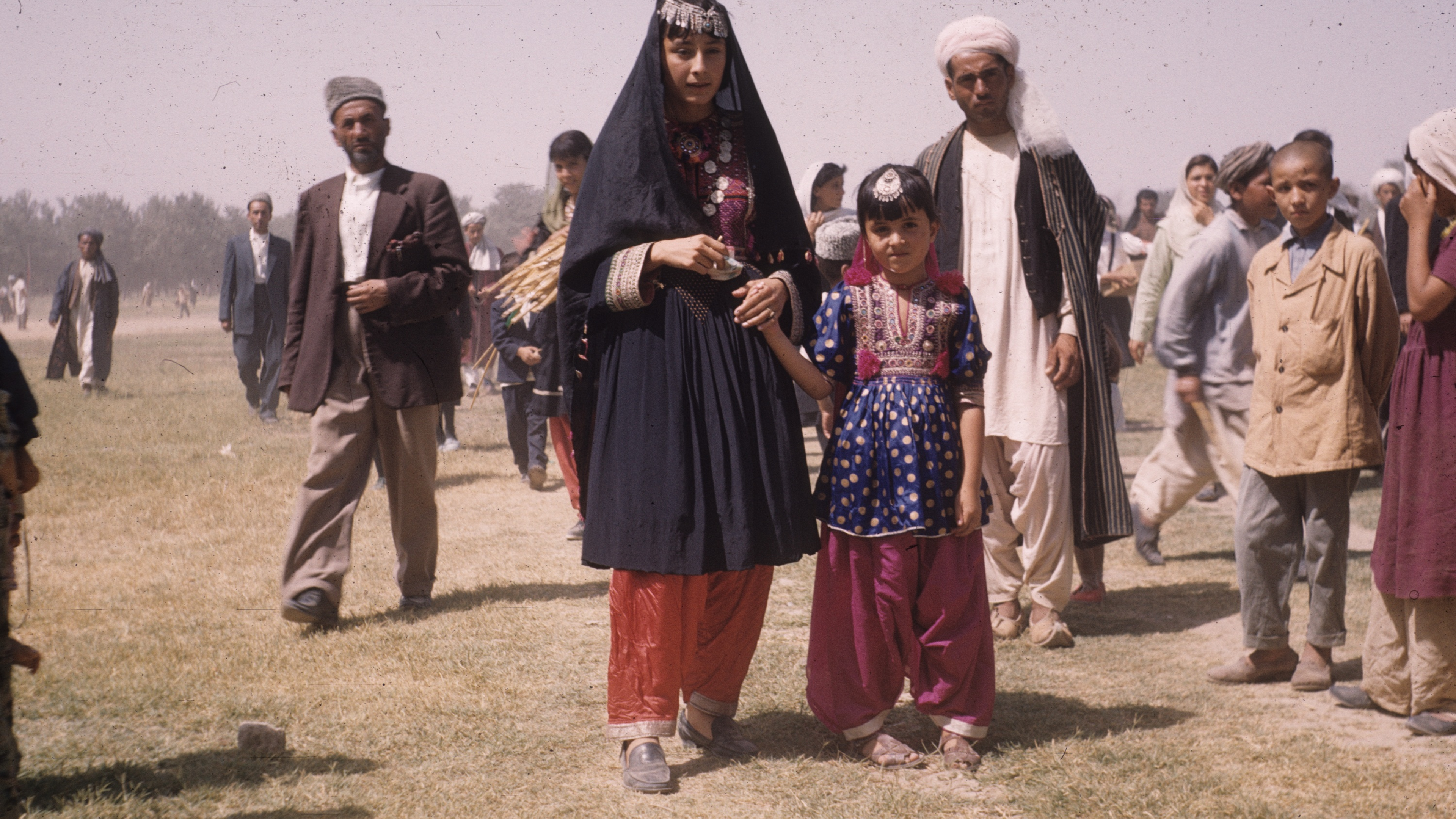
Dans les villages reculés d’Afghanistan, les Maisons de santé familiale dirigées par les communautés offrent des soins vitaux aux mères et aux enfants. Malgré de sévères restrictions et la dégradation du système de santé, les femmes afghanes, qui travaillent comme sages-femmes communautaires, utilisent des outils numériques et des cliniques locales pour garantir des accouchements sûrs. Cet article met en lumière le travail essentiel de l’UNFPA, de l’AADA et de la Maternity Foundation pour soutenir et autonomiser ces travailleuses de première ligne, et explique comment la communauté internationale peut contribuer à leur mission.
Pledge4Peace.org
September 23, 2026
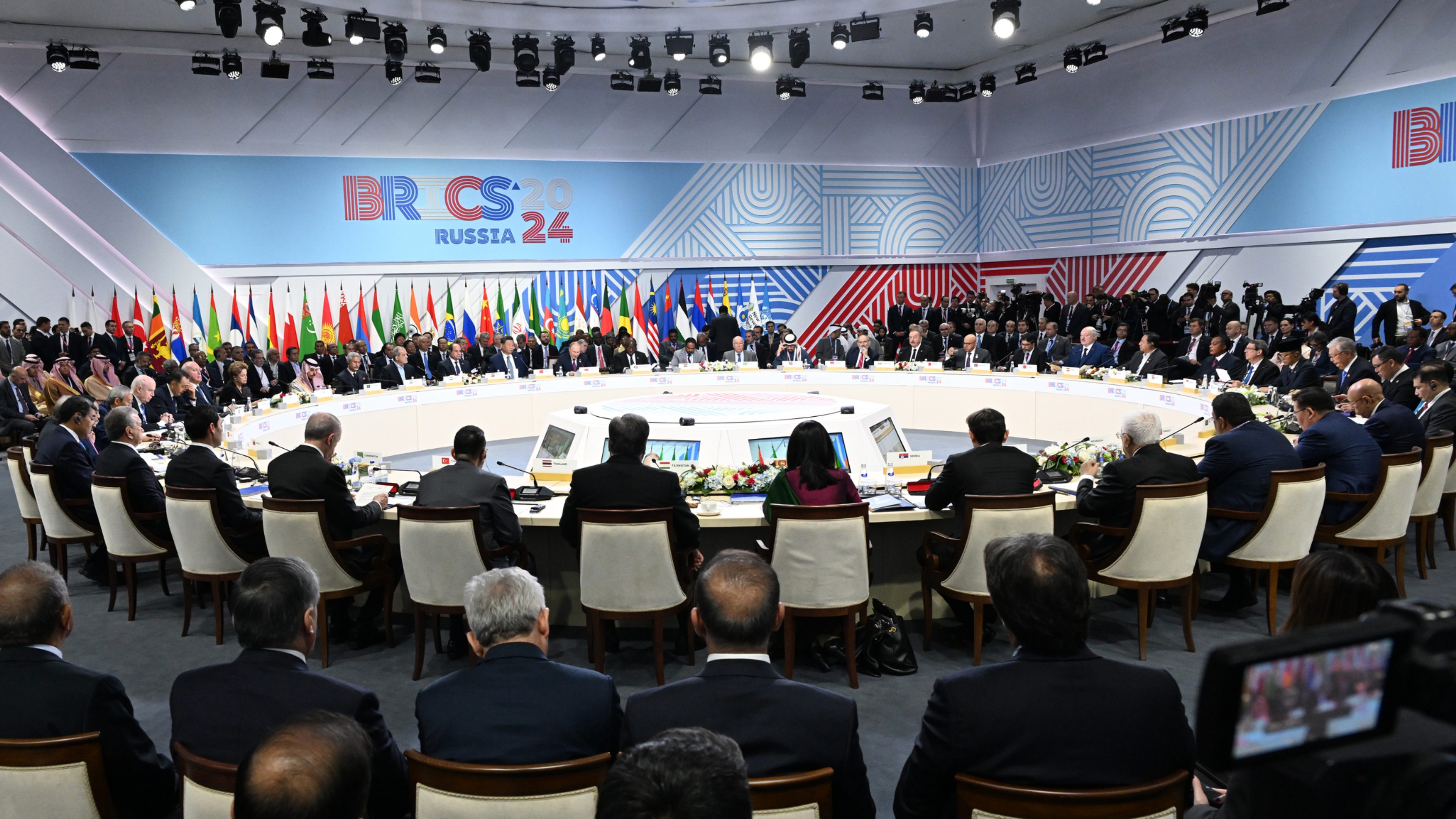
Alors que le 18ᵉ Sommet des BRICS s’ouvre à New Delhi, les dirigeants du bloc élargi de 10 pays sont confrontés à la tâche considérable de répondre à l’instabilité mondiale, notamment au conflit croissant entre les États-Unis et l’Iran. Dans le contexte de négociations diplomatiques à forts enjeux, Pledge4Peace appelle les citoyens à exiger des solutions pacifiques.
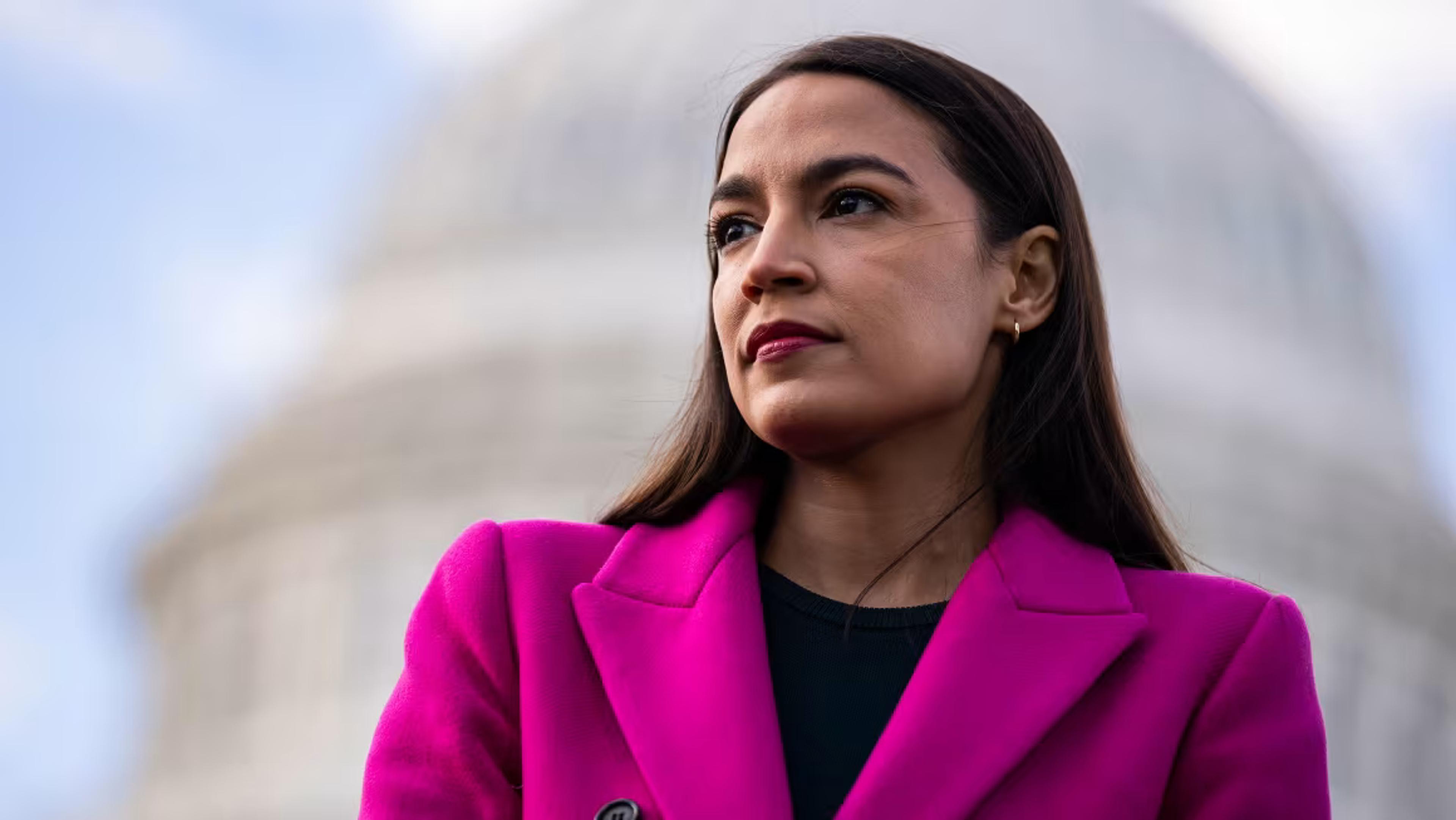
Such voices are not rare. From Alexandria Ocasio-Cortez in the U.S. challenging power structures, to young African women leading climate justice campaigns, to local activists in Pakistan pushing for education reforms—women are reshaping not only who leads but how leadership looks.
Evidence is undeniable: where women participate in politics, societies thrive. Countries with higher women’s representation pass more inclusive laws, prioritize education and healthcare, and push harder for peace agreements. Rwanda, for instance, boasts the world’s highest percentage of women in parliament (61%). The results? A stronger focus on post-genocide reconciliation, health, and social welfare.
Women bring perspectives born from lived realities—nurturing communities, managing households, surviving conflict—that men alone cannot legislate for. Political participation is not charity; it’s justice, efficiency, and progress rolled into one.
Perhaps the most exciting shift is among young women. Social media has become a new parliament—one not bound by brick walls or old hierarchies. Hashtags, campaigns, and viral movements have turned ordinary women into political leaders overnight. Whether it’s Malala Yousafzai demanding education, or young Palestinian women livestreaming the realities of war, youth voices are setting the political agenda in ways institutions can no longer ignore.
But let’s be clear: the fight isn’t about filling quotas. Representation without real influence is tokenism wrapped in progress. A woman in office who is silenced, sidelined, or used as a symbol without power is no victory. The battle is to ensure women don’t just enter politics but are able to change politics—challenging corruption, dismantling patriarchal systems, and writing laws that outlive them.
If democracy means the voice of the people, then silencing half the population is democracy betrayed. Encouraging women’s political participation is not a women’s issue—it is a human issue, a democratic issue, a global issue.
The call is clear:
History remembers those who dared to speak when silence was safer. Women in politics are not asking for permission; they are reclaiming what was always theirs—the right to decide the future of their societies.
The question is not whether women should be in politics. The question is: how long can nations afford to ignore the leaders they already have among them?
The answer lies not in tomorrow but in today. Because every law written, every budget passed, and every war decided without women is not just incomplete—it is unjust.
If you’re a woman who believes in shaping the future, your voice matters more than ever. Politics and peacebuilding need women’s perspectives, courage, and leadership—not tomorrow, but today.
At Pledge4Peace, we’re building campaigns that empower ordinary people to create extraordinary change. By voting on our global peace campaigns, you can help push forward solutions rooted in justice, coexistence, and human dignity.
Take action now at Pledge4Peace.org/campaigns
Pledge4Peace.org
September 18, 2026